
Guide Your Puppy to Good Behavior with Expert Obedience Training
Set your puppy up for success with obedience training. Learn how a pro trainer builds focus, prevents negative habits, and creates calm, confident behavior.

Turning Puppy Chaos into Confidence: How Training Makes All the Difference
Bringing home a puppy is exciting, but let’s face it, it can also be a bit overwhelming. One minute, they’re napping adorably; the next, they’re chewing through your shoelace or bolting across the yard like a wild thing. Teaching positive behavior early on makes a world of difference, but it can be hard to know where to start or how to keep things consistent.
That’s where a professional dog trainer can help. With expert guidance, obedience training becomes less of a guessing game and more of a fun, rewarding process for both you and your pup. You’ll build better communication, reduce frustration, and lay the groundwork for a well-mannered dog you can confidently take anywhere.
How a Trainer Speeds Up Learning
Professional trainers have seen it all: distracted puppies, unmotivated pups, excitable jumpers, and they know what actually works. Instead of trial and error, you get a personalized plan based on your puppy’s age, temperament, and learning style. And it’s not just about the puppy learning. It’s about helping *you* feel confident in what you’re doing, too. You’ll get coaching on when to reward desirable behavior, how to handle unwanted behavior without scolding, and how to build skills like sit, stay, recall, and more in a way that sticks. With the right timing and consistency, progress tends to happen faster than most people expect.

Why Obedience Training Is Crucial for Puppies
Puppies are always learning, even if you’re not actively training them. That’s why early obedience work is so important. It helps shape their behavior during the most impressionable stage of their life, setting them up for long-term success. But more than that, it teaches your puppy how to live in your world: how to listen, how to settle, and how to handle stimulation without spinning out. It creates a better connection between you and your dog, making daily life smoother for everyone involved.
Common Challenges with DIY Training
If you’ve tried teaching your puppy on your own, you’re not alone. Many owners start with good intentions but get stuck when things don’t go as planned. Maybe your puppy listens sometimes, but not when it matters. Maybe the cues are confusing, or one person in the house is doing things differently from everyone else. Without a clear system, puppies get mixed messages. And that’s when behaviors like jumping, barking, or ignoring start to take root. A trainer brings clarity, helps everyone in the household stay on the same page, and ensures that you’re on the right path.
Building Attention and Focus Around Distractions
Teaching your puppy to sit in the living room is one thing. Getting your puppy to sit when another dog walks by or when guests are over? That’s where real-life training comes in. Trainers help your puppy learn to stay engaged with you even when the world gets exciting. That kind of focus is a skill, and it takes gradual exposure, smart reinforcement, and a calm, steady approach. It’s not just obedience. It’s emotional regulation.
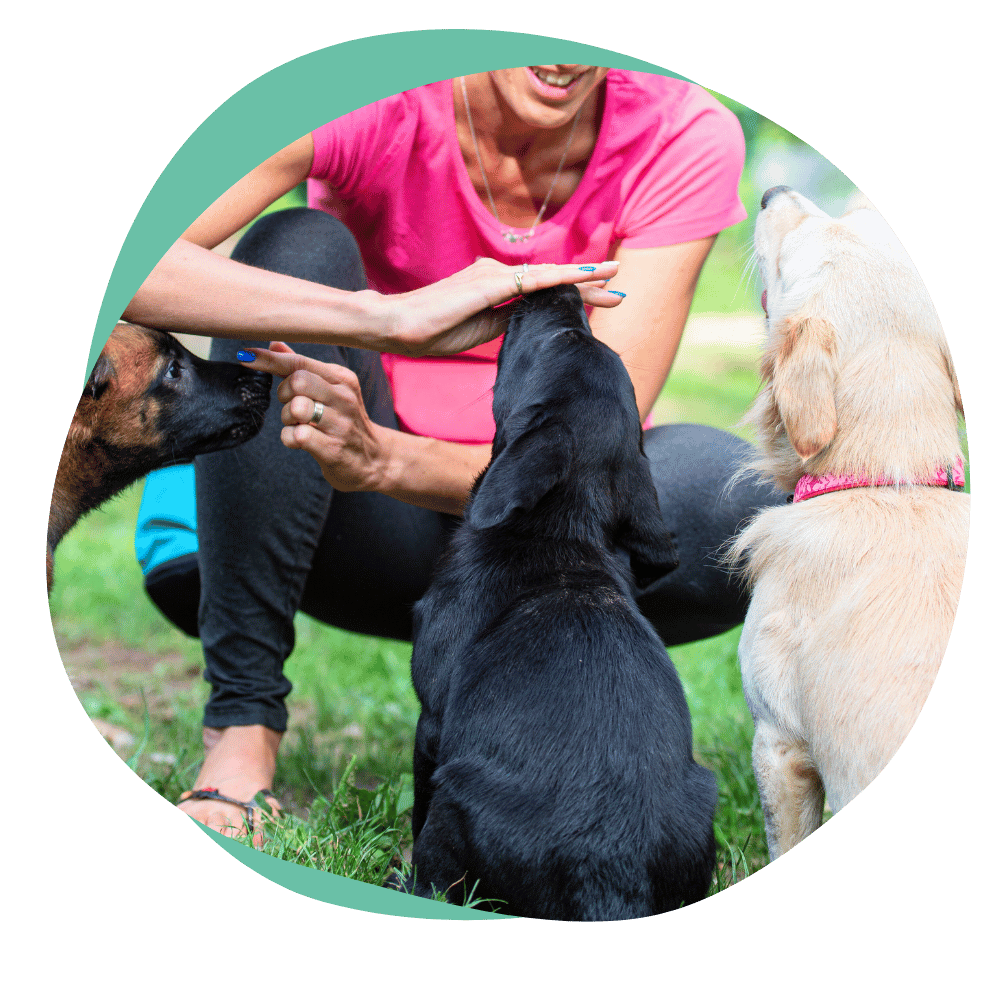
Preventing Negative Habits Before They Start
One of the biggest benefits of early obedience training is that it helps stop problems before they start. Instead of waiting for your puppy to develop habits like jumping on visitors, pulling on a leash, or darting out the door, a trainer helps you teach what you want your puppy *to* do right from the beginning. It’s easier (and less stressful) to build good habits than to fix bad ones later. Plus, it gives your puppy the predictability they crave, which leads to a calmer, more stable demeanor overall.
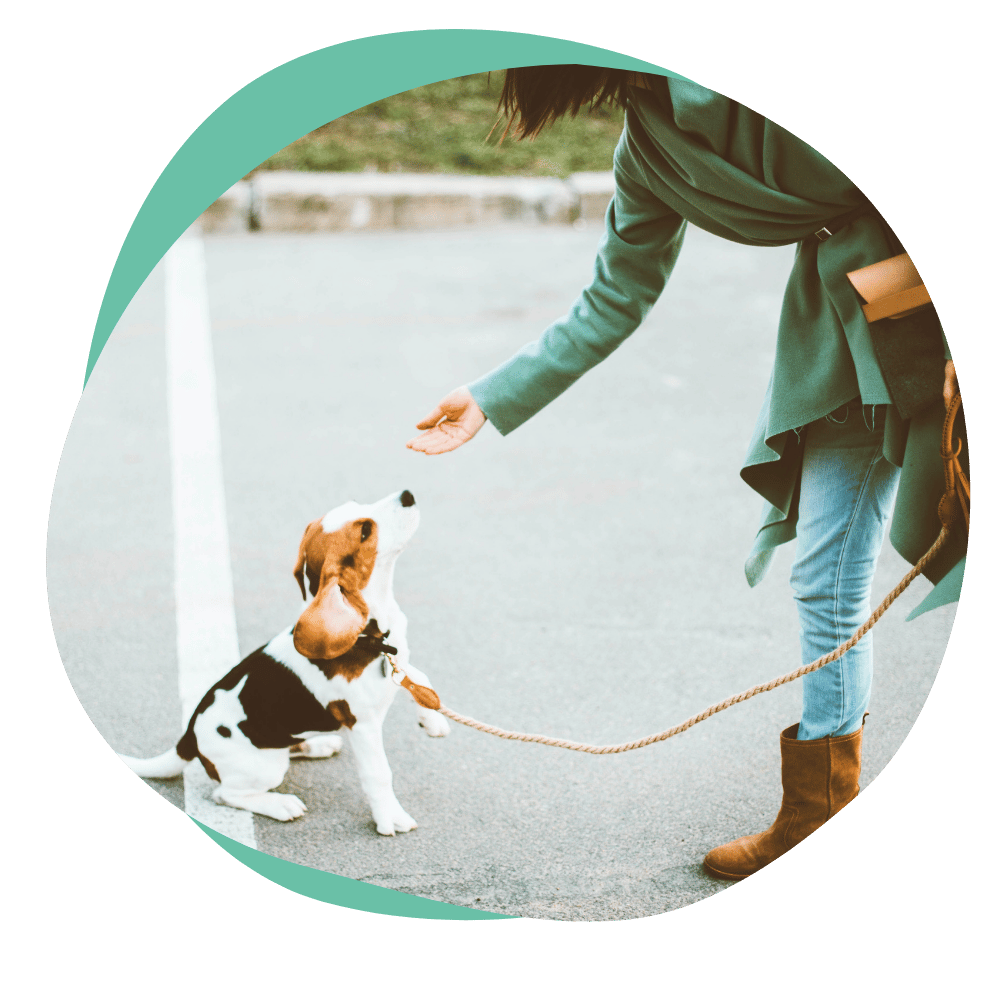
Creating a Calm and Confident Dog
Some puppies are naturally bolder, while others need more reassurance, but all dogs benefit from learning that the world makes sense and that their people will guide them through it. Obedience training builds that confidence over time. It’s not just obedience for obedience’s sake. It’s about a puppy who knows how to be successful, knows what’s expected of them, and trusts that you’ve got their back. With repeated success, your puppy starts to feel more secure. And that calm, steady attitude carries over into everything from vet visits to neighborhood walks.
Teaching the Whole Household to Be Consistent
One person doing the training isn’t always enough, especially if the rest of the family (or roommates) are unintentionally undoing the work. A trainer helps everyone get on the same page by teaching consistent cues, routines, and expectations that your puppy can count on. That consistency makes the training stick. It also prevents frustration on both ends of the leash and makes your household feel more organized overall.
Want a Polite Puppy You Can Take Anywhere?
Imagine being able to take your dog to a café, on a hike, or to a friend’s house without worrying they’ll bark, pull, or get overwhelmed. That kind of freedom starts with early obedience training, and you don’t have to figure it all out on your own. With the help of our certified trainers, you can build a solid foundation that makes every part of life with your dog easier and more enjoyable. Whether you’re just getting started or looking to fine-tune a few skills, it’s never too early or too late to begin.
FAQs
What age should I start obedience training for my puppy?
Most trainers recommend starting as early as 8 to 10 weeks old. The earlier you begin, the easier it is to shape good habits and avoid problems down the line.
Can a trainer help with leash manners and recall?
Yes! Loose-leash walking and coming when called are two of the most important skills trainers teach, especially during puppyhood.
How long does it take to see results from obedience training?
Every puppy is different, but most families see improvements after their first session with Jack and Jill Dog Training.
Is group or private obedience training more effective?
It depends on your dog. Group classes offer socialization and distraction training, while private sessions give you personalized guidance. Some owners choose to do both.
What if my puppy seems too stubborn or distracted to train?
That’s where a trainer can make all the difference. Most “stubborn” behavior is really just confusion, anxiety, or miscommunication, and all of that can be worked through with the right support.