
Expert Training for Managing Dog Reactivity Effectively
Struggling with a reactive dog? Learn what causes reactivity, how to manage barking & lunging and when training can bring calm & confidence back home.

From Chaos to Calm: How to Help Your Reactive Dog Find Peace
We know the feeling of dread that washes over you when you’re on a walk, and you see another dog headed your way. We know the embarrassment when your dog lunges at your neighbor through the backyard fence and the exasperation when your house erupts in a fit of barking because someone dared drive down the street in a loud car. We know because we’ve been there, and we’ve helped numerous clients in this very situation transition from chaos to calm with their reactive dog.
Reactivity is incredibly common, but that doesn’t make it any less stressful. The good news? It can change. With the right training and support, your walks can be peaceful, your home can be quieter, and your dog can feel more at ease in the world around them.
What Is Dog Reactivity and Why Does It Happen
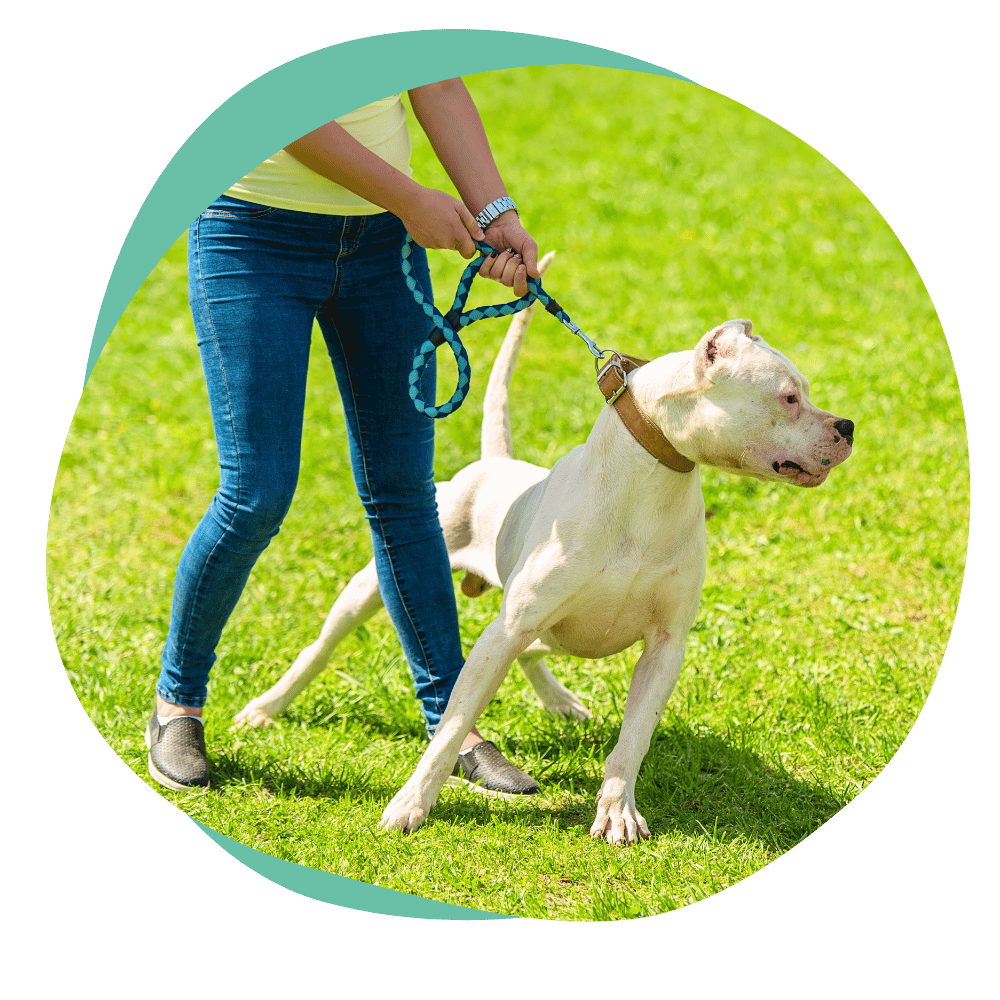
Reactivity refers to those big, intense responses dogs have to specific triggers, like barking, lunging, or growling. These behaviors typically occur on a leash or behind barriers, such as fences or windows. The most common triggers are other dogs and unfamiliar people; however, some dogs also react to vehicles, wildlife, sounds, or even bicycles. In many cases, reactivity is fear-based. The dog is uncomfortable with the trigger and wants it to go away. In other cases, it stems from frustration, like a super social dog that’s being held back from greeting. Whatever the root cause, reactivity is your dog’s way of saying, “I’m overwhelmed and don’t know how to handle this.”
Benefits of Addressing Dog Reactivity With Expert Training
Working with a professional trainer takes the guesswork and frustration out of trying to manage reactivity on your own. A good training plan doesn’t just stop the barking – it addresses the underlying causes of the behavior for lasting change by helping your dog feel safer and calmer in situations that once triggered them. A trainer will also help you feel confident helping your dog cope with those stressors as you navigate the world together as a team.
Barking: A Vocal Sign of Overstimulation in Dogs
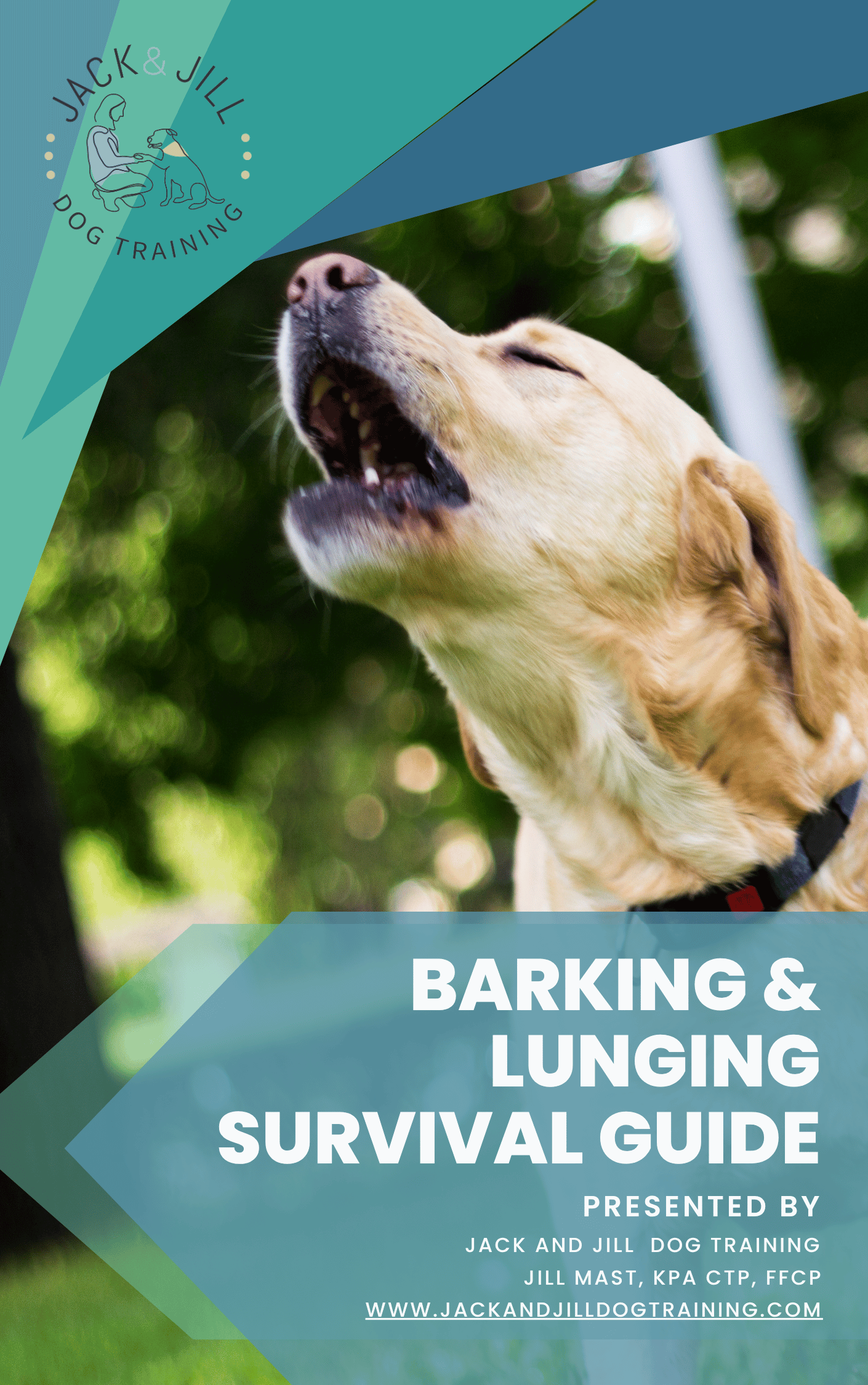
Barking is often one of the first signs that a dog is overwhelmed. In reactive dogs, it can be an attempt to ward off the trigger, express discomfort, or release pent-up energy and frustration. It might look aggressive, but in many cases, it’s just a very loud sign of stress. Through training, we teach your dog more appropriate ways to cope with that stress. Calm, reward-based techniques help your dog learn that they don’t need to bark to feel safe or in control, and they’re rewarded for staying composed instead.
Jumping or Lunging at People
Lunging isn’t always about aggression. It can come from excitement, frustration, or fear. A dog might lunge to greet someone too enthusiastically, or they might be trying to create space between themselves and a perceived threat. It can be hard to tell the difference! Training identifies and addresses the underlying cause and teaches your dog a different way to respond. Instead of reacting with a leap, your dog learns to look to you for guidance, remain grounded, and stay focused even in exciting or stressful moments.

Anxiety as a Root Cause
Anxiety plays a big role in many reactive behaviors. A dog who feels uncertain about the world is more likely to respond defensively or explosively when caught off guard. This anxiety might stem from past experiences, lack of early socialization, or genetic predisposition. In training, we prioritize emotional safety. This means building your dog’s confidence through slow, structured exposure to triggers, providing plenty of positive reinforcement, and offering them choices whenever possible.

How This Affects Daily Life with Your Dog
Living with a reactive dog can feel isolating and overwhelming. Walks may be stressful, you might avoid visitors, and simple outings like vet visits or errands with your dog become a logistical puzzle. You love your dog, but managing their reactions takes a real emotional toll. You’re not failing your dog by needing help. In fact, getting support is one of the best things you can do for your dog – and yourself. With a solid training plan, life gets easier. You’ll know how to handle tough situations, and your dog will be better equipped to handle them, too..
When to Seek Professional Help
If you’ve found yourself rearranging your routine to avoid triggers or feeling anxious every time you leave the house with your dog, it’s time to bring in a pro. A trainer or behavior consultant can help you identify the root of the problem, develop a plan that actually works, and guide you step-by-step through its implementation. You don’t have to figure this out alone. Training is most effective and least stressful when it’s collaborative, supportive, and customized to your dog’s needs.
Take the First Step Toward a Calmer Dog
You don’t have to wait until things get worse. Reactivity doesn’t go away on its own, but it can improve with time, consistency, and the right support. Whether your dog is barking at every dog on the block or can’t relax at home, we’re here to help. Start by observing your dog’s triggers and patterns. From there, we’ll work with you to develop strategies that make life easier for both of you. Progress starts with one step, and we’ll walk with you every step of the way.
Download your FREE Barking and Lunging Reactivity Survival Guide
FAQs
What is the difference between reactivity and aggression in dogs?
Reactivity is typically based on fear or overexcitement, while aggression can involve an intent to harm. Many reactive dogs are not aggressive; they’re just overwhelmed and unsure how to cope.
How can I stop my reactive dog from barking at other dogs?
We teach your dog alternative behaviors, such as looking at you or searching for a treat in the grass, to prevent or interrupt barking. More importantly, we get to the root of the issue and change your dog’s underlying emotional response to their trigger, thereby changing the behavior for good.
Are some breeds more prone to reactivity than others?
Any breed can be reactive, but some breeds are more prone to developing reactivity because of the traits that are selected in the breed.
Can a reactive dog become calm with training?
Yes! Training can address the root cause of reactivity and teach your dog new ways to cope with the stress of seeing their triggers.