
Socializing Your Puppy:
Why an Expert Trainer Makes All the Difference
Socializing your puppy early prevents fear and aggression later. Learn how a trainer creates safe, positive experiences that build lifelong confidence.

How Thoughtful Socialization Sets Your Puppy Up for a Confident, Happy Life
The first weeks of your puppy’s life are a critical time in their development. Their brains are primed to build confidence, bond with you, and create positive associations with their world. Socialization is about more than just exposure to new places and playing with other dogs. It’s about curating ideal experiences that help your puppy grow into a stable adult dog.
Working with a professional trainer, you don’t have to guess your way through your puppy’s socialization window. We’ll show you simple and evidence-based strategies to set you and your pup up for lifelong success.
How Trainers Help Create Positive First Impressions
A professional trainer uses controlled setups and careful observations to positively expose puppies to novel sights and sounds. What’s right for every puppy is different, and a keen eye for canine body language is essential! By curating experiences that are not only neutral but also positive, your puppy will become increasingly confident with each encounter.
Why Puppy Socialization Is So Important
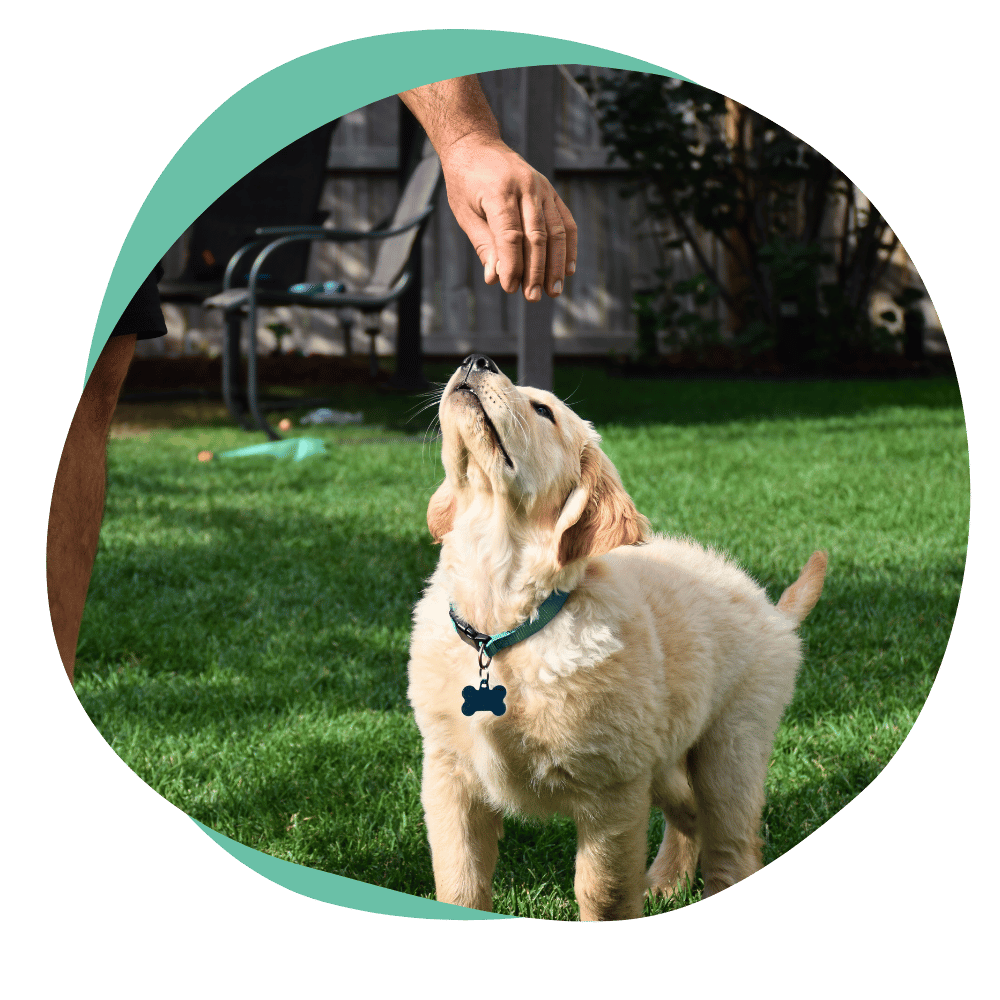
Puppies go through a critical period for socialization, usually between 3 and 16 weeks of age. During this time, their brains are primed to learn positive associations that will carry them through to adulthood. A lack of enough positive experiences with different people, animals, objects, smells, surfaces, sounds, and the like can lead to fear-based aggression, anxiety, or reactivity later on.
Common Mistakes That Can Backfire
Socialization is about quality, not just quantity. One mistake that puppy parents often make is overwhelming their puppy with too much novelty at once. If the situation is too intense or too stimulating, your puppy will come away more anxious rather than more confident. Another common error is allowing your puppy to say hello to every single person and dog that they encounter. This can lead to big behavior problems down the road. The right level and right amount of exposure is different for every puppy, and your trainer will help you know what’s right for your individual circumstances.
Helping Shy or Fearful Puppies Thrive
Not all puppies come home ready to take on the world. Some are born more cautious, and that’s okay. A good trainer knows how to recognize subtle signs of fear and will help you learn to read what your puppy’s body language is telling you. That is what will guide your socialization plan. With gradual, step-by-step desensitization techniques, your trainer will help you support your puppy through new experiences and situations. It’s not about just letting them sink or swim on their own. Up-to-date training methods will help your puppy build skills and confidence, allowing them to feel safe and secure in their world at their own pace.
Preventing Future Behavioral Problems
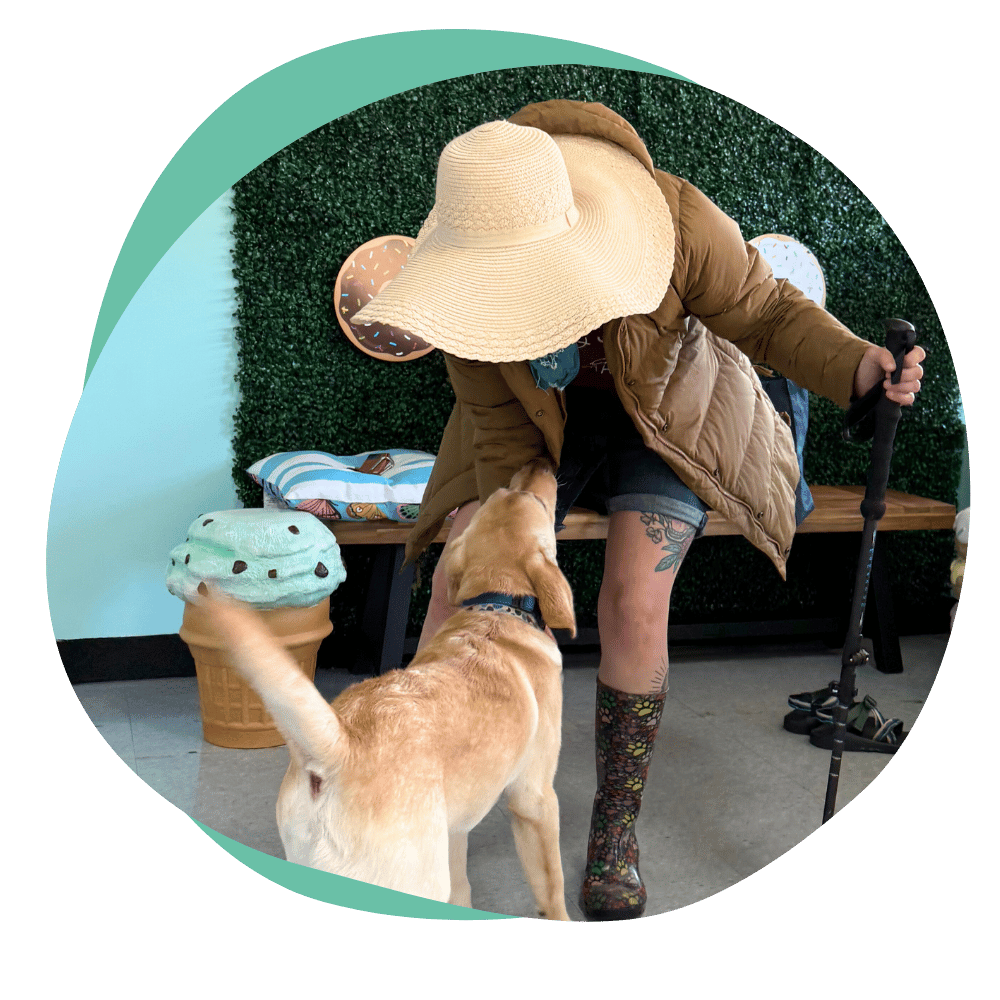
Socialization is more than just puppy play dates. It’s a powerful tool that, when used correctly, can protect your puppy from developing serious behavior issues down the road. Puppies who are properly socialized early on in life are much less likely to develop behavior problems like reactivity, aggression, fear, or anxiety. There’s no guarantee that these things won’t pop up later in life, but by working with your puppy early on, you’re doing all you can to avoid them. Structured, careful training and socialization create a well-adjusted, resilient dog that will be more trainable in adulthood, even if issues do arise.

Group Classes vs. One-on-One Training
According to a 2019 study, dogs who attend puppy classes are up to three times less likely to develop behavioral problems like dog aggression, fear, and touch sensitivity as adults. Training your puppy at home is a great start, but there is no substitute for the valuable lessons that they gain from attending a group class with other members of their species. Some puppies, especially those that are overly fearful or excitable, may need individualized training support before they are ready for a group setting. However, group puppy classes are a must in your puppy’s education.
Ready to Raise a Confident, Friendly Puppy?
Early socialization and training is one of the most important investments that you can make in your puppy’s life-long well-being. Don’t leave it up to chance. Work with a trainer who knows how to turn new experiences into confidence-building moments. Start now and give your puppy the best gift you can – the opportunity to grow into a well-adjusted, calm, and sociable adult dog.
FAQs
What age should I start socialization training with a puppy?
As soon as possible! Ideally, between the time you bring them home at 8 weeks until about 16 weeks old, but it’s never too late to start building positive associations with the world around them.
How does a trainer safely expose my puppy to new things?
Trainers use gradual desensitization and counterconditioning if necessary. They control the environment to be as low-stress and low-pressure as possible and choose safe items, people, and animals to introduce your dog to.
Do I need to wait until my puppy is fully vaccinated to start socializing them?
No. In fact, waiting that long will cause your puppy to miss out on a valuable period of their development. The risk of an under-socialized puppy is greater than the risk of disease. One round of vaccinations is all you need to start.
Can socialization training help with barking or fear?
Yes, careful socialization is the antidote to fear-based behaviors, such as barking, hiding, or growling.
Is group training better than private sessions for socializing?
It depends on the dog. Some puppies may need private sessions before they are ready for the group setting. There’s no substitute for safe interactions with members of the same species, though.
What happens if I miss the socialization window?
Your puppy may need some extra support to learn the positive associations they more easily pick up during their socialization window, but dogs never stop learning. Schedule a consultation to learn what extra support your puppy might need