
Understanding Why Your Dog Pulls Their Leash and How to Stop It With Training
Tired of leash pulling? Discover why dogs pull, how it can harm walks and how our trainers create calm, enjoyable walks with proven gentle leash training.
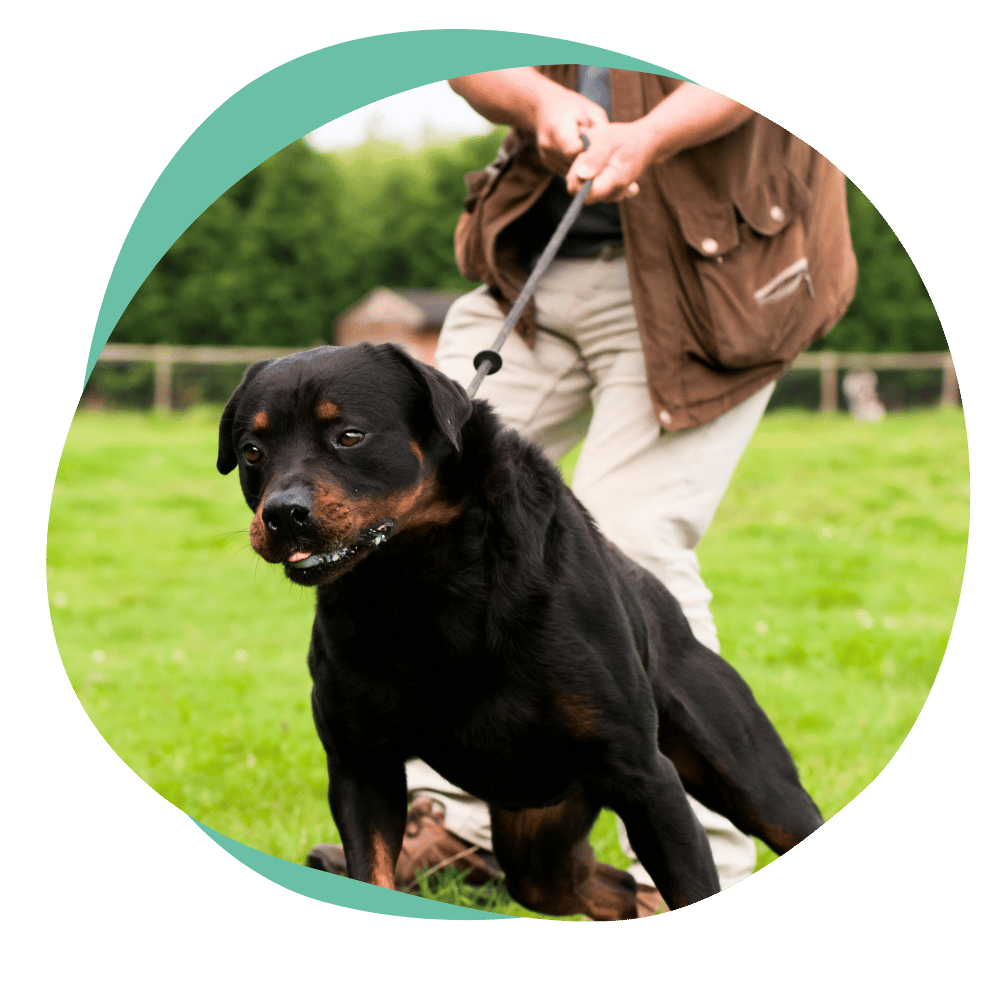
Making Walks Easier: How to Enjoy Leash Time Without the Tug-of-War
Most dogs just know how to walk on a leash, right? Wrong. In fact, walking on a leash the way we’ve been taught to expect is completely unnatural for most dogs. No wonder it feels like such a struggle! You’re not doing anything wrong if you find your dog zigzagging, pulling, or stopping every five feet. That’s all completely normal.
Walks with our dogs should be enjoyable for both of us, but finding that balance between walking in a straight line on a short leash and meeting your dog’s natural needs can be tough. We’re here to make it easier. No more frustration, just easier walks, better communication, and a happier relationship with your pup.
The Long-Term Benefits of Expert Training
Trying to train your dog on your own can feel overwhelming. A professional trainer knows how to break the process down into simple, achievable steps that make sense for you and your dog. You’ll save time, reduce frustration, and feel more confident knowing you’re using proven methods that are both effective and kind. Additionally, your dog will have the opportunity to learn in a way that feels both fun and safe.
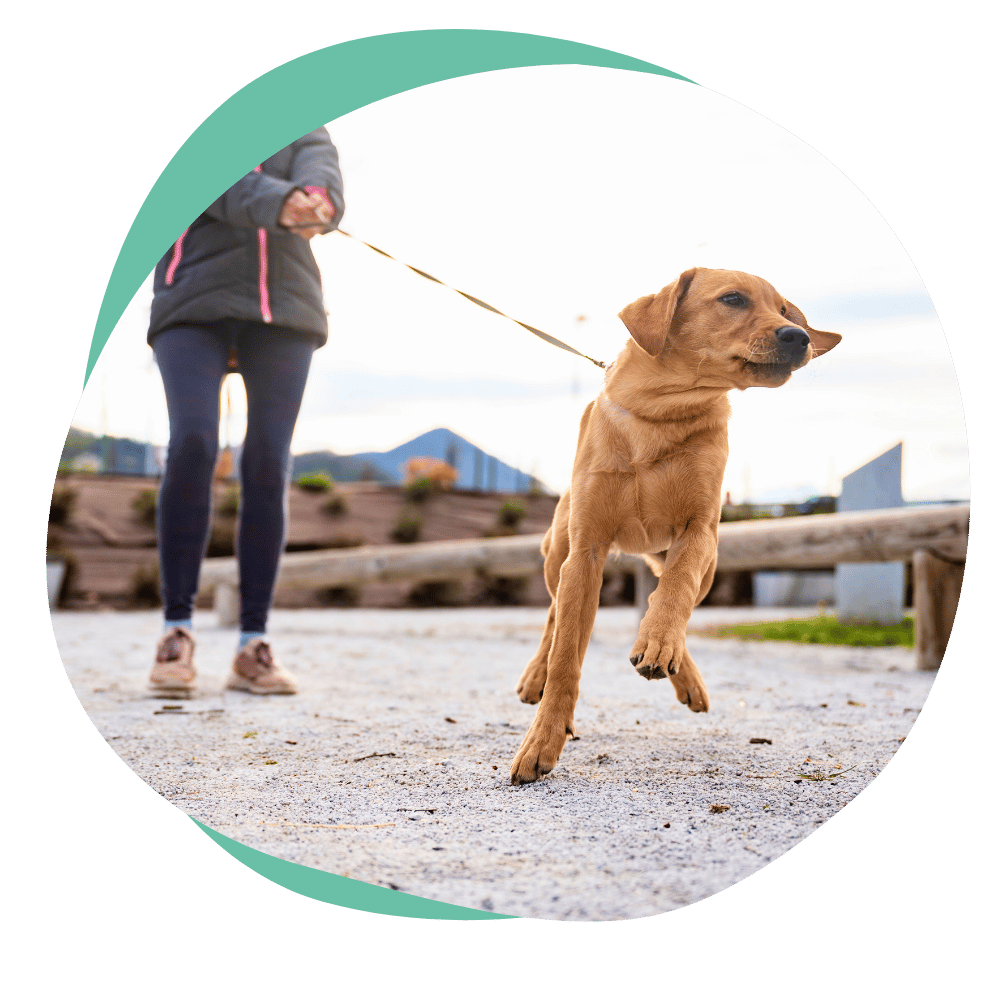
Why Dogs Pull on the Leash During Walks
A dog’s natural pace is much faster than that of a human’s. Add a too-short tether to our slower movements, and you have a recipe for pulling. Walking at our pace and in a straight line to boot is a skill that must be taught. If dogs learn that pulling gets them closer to that next good sniff, then they’re all the more likely to pull the next time they want to explore something.
The Risks of Constant Pulling
Pulling on the leash puts pressure on your dog’s body. Long-term, this can lead to injuries, especially if your dog is wearing certain kinds of walking equipment. It also puts stress on your body and can be emotionally taxing! That frustration can sometimes boil over, and when we act out harshly, it can damage our relationship with our dog. It may even cause us to give up on walks altogether.
Why This Behavior Gets Worse Without Training
Pulling is a self-reinforcing behavior. What that means is that when your dog pulls, they get something they want, like access to the next good smell or even just forward movement. When a behavior is reinforced, it becomes more likely to occur in the future, creating a vicious cycle that tends to worsen, not improve, over time without intervention.
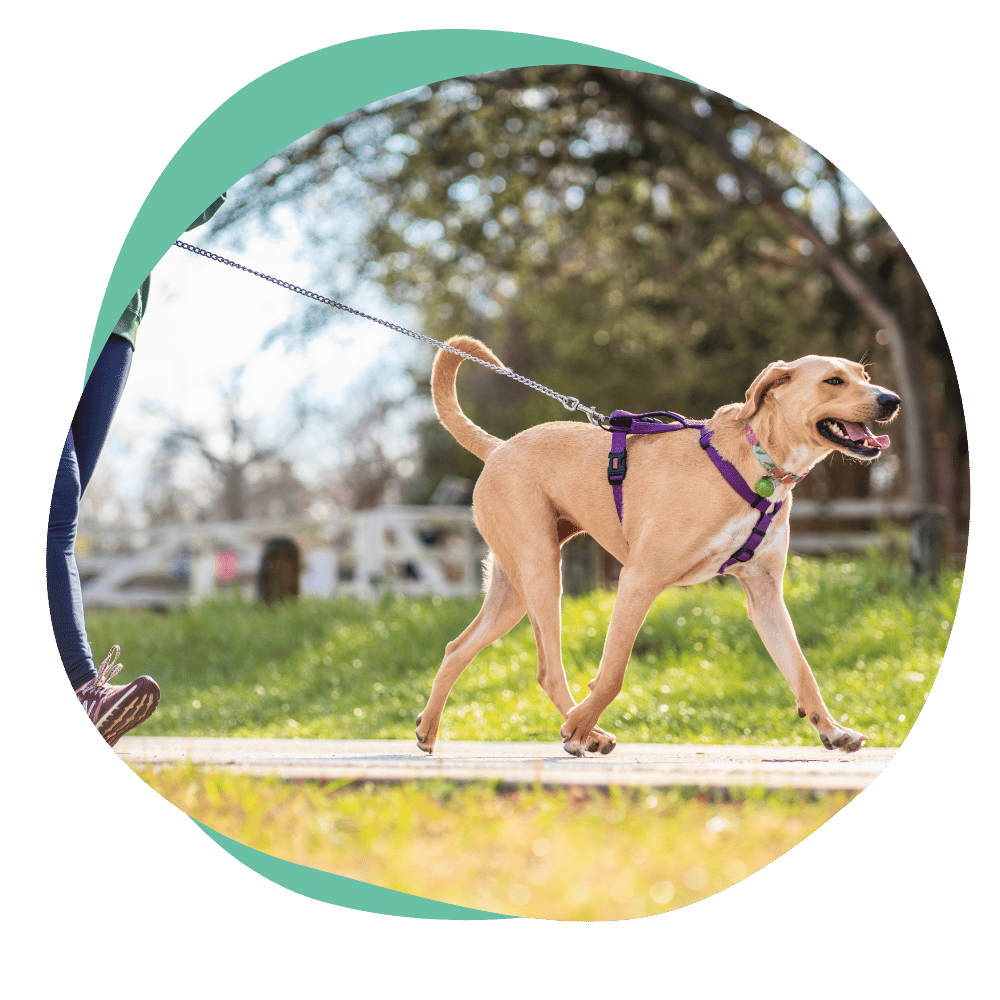
Common Mistakes Dog Owners Make on Walks
Even the most well-intentioned dog owners can fall into common leash-walking mistakes. Using the wrong gear, being inconsistent, or accidentally reinforcing pulling can slow down progress and even exacerbate the issue.
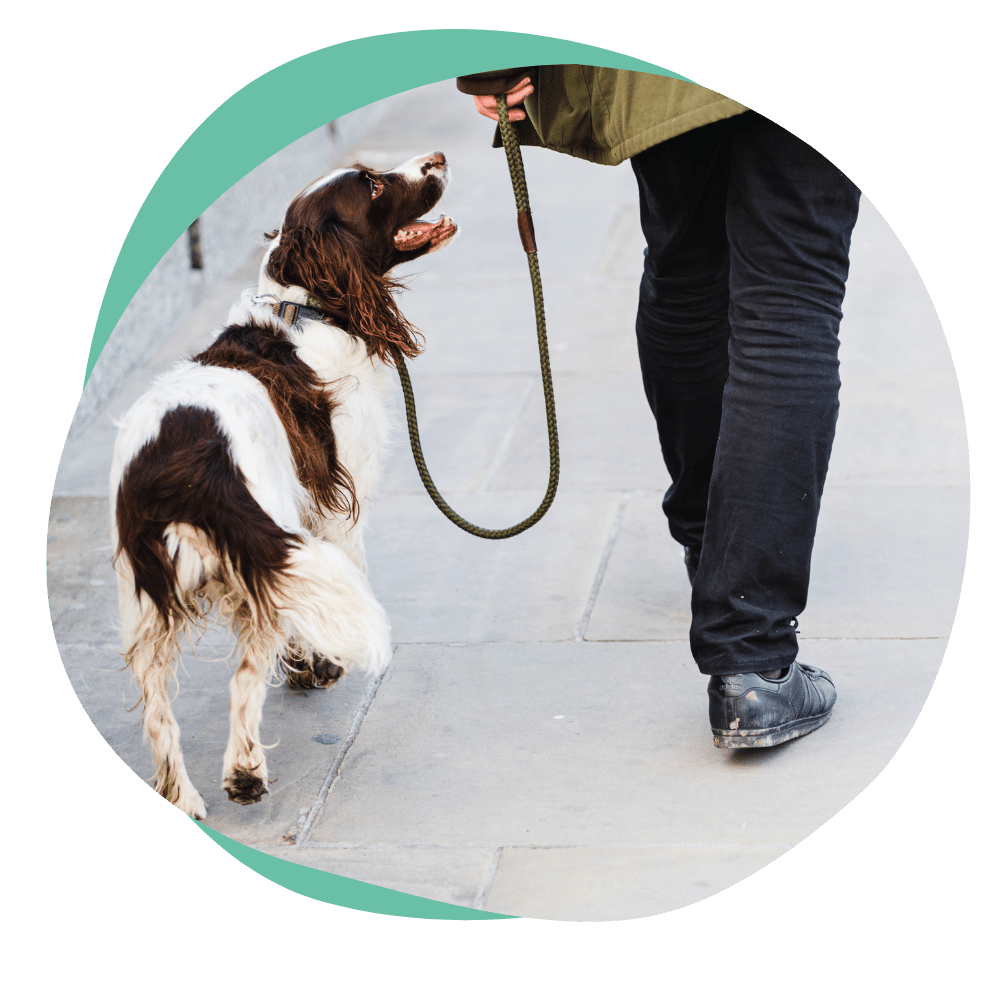
How Trainers Correct Leash-Pulling Gently
Instead of relying on corrections or harsh tools, professional trainers use rewards like treats to teach dogs what to do, not just what not to do. When your dog gets something good for walking nicely, they’re much more likely to repeat that behavior. This type of training fosters trust, making the entire process more enjoyable. It turns leash walks into a team effort rather than a power struggle.
What a Leash-Training Program Looks Like
Leash walking isn’t something that can be learned in a day, but there are many things that can make or break your efforts. Our trainers take a systematic, step-by-step approach to streamline your training process, including meeting your dog’s baseline needs, getting set up on the proper gear, starting with focus exercises, and gradually layering in distractions – all tailored to your specific dog and situation!
Take the Lead: Train for Peaceful Walks Today.
If you’re tired of frustrating walks and ready to enjoy peaceful, connected time with your dog, it might be time to reach out to a trainer. A little help can go a long way. Let us show you how to teach your dog the skills they need to become a confident, well-mannered walking buddy. You’ll both be glad you did!
FAQs
How does a trainer teach dogs not to pull on walks?
Trainers teach dogs how to walk calmly by using rewards, clear communication, and consistent practice so they understand what’s expected and get excited about doing it right.
Can any dog learn to walk without pulling on the leash?
Yes! While some dogs may be more naturally inclined to walk with a loose leash than others, all dogs, regardless of breed or age, can learn how to do so.
How long does leash-pulling training usually take?
Training timelines vary based on your dog’s history, personality, environment, and how much time you can commit. That said, many owners see improvement after the first session with Jack and Jill Dog Training.
Will leash training also improve my dog's focus?
Absolutely. Knowing that paying attention to you pays off is the foundation of leash walking and so many other skills.
What kind of leash or harness works best with training?
We recommend a non-restrictive harness and a 10-12-foot leash for most dogs.