
Help for Resource Guarding Dogs
Is your dog food aggressive? Discover the causes, warning signs and how our expert trainers utilize gentle methods to create safer, calmer behavior around food and toys.
Resource Guarding in Dogs: What’s Normal, What’s Not, and When to Get Help
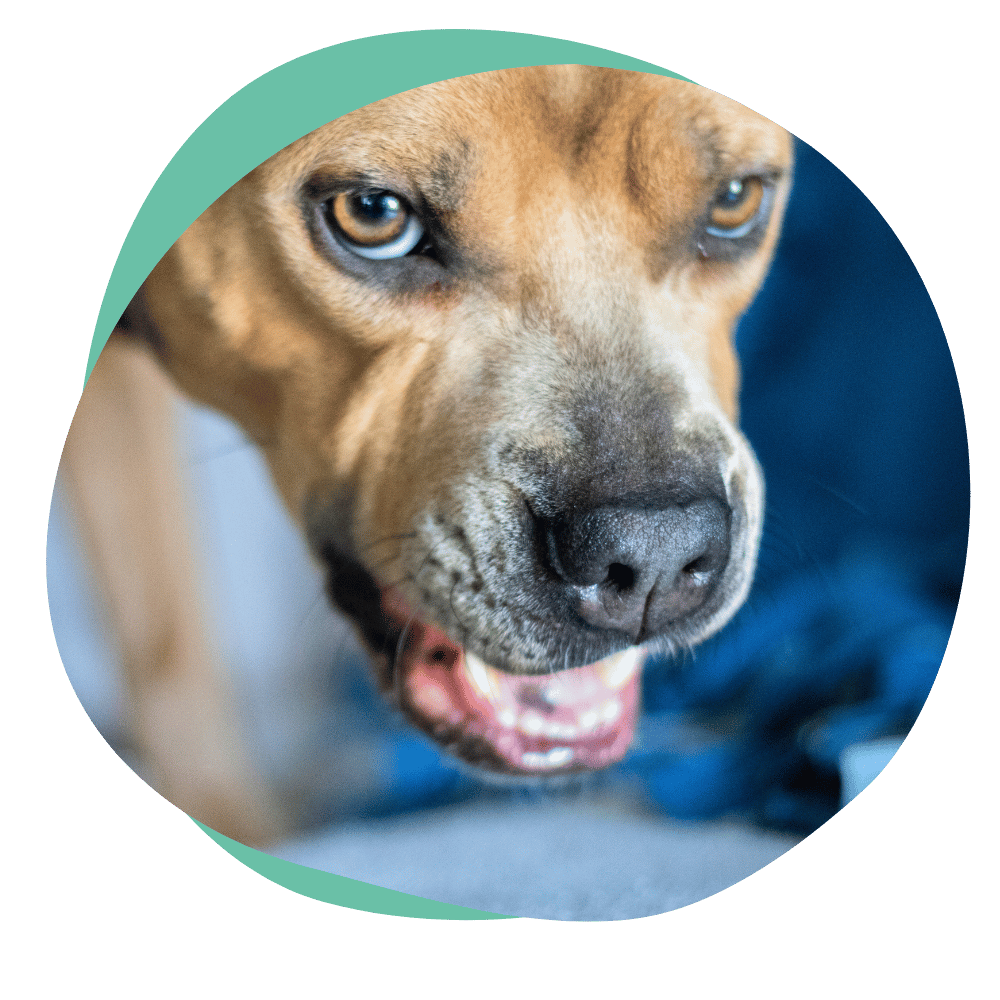
If your dog stiffens, growls, snaps, snarls, or bites other dogs or people over food, toys or other valued items, they are displaying what’s called resource guarding or food aggression.
Resource guarding is a completely natural behavior – we, as humans, do it all of the time. If you reach for my plate of fries, I might pull the plate away or slap your hand. But just because it is natural doesn’t mean it can’t cause problems. A professional trainer will help you know when resource guarding is okay and when it calls for behavior modification.
Benefits of Hiring an Expert Trainer for Resource Issues
Resource guarding can be very dangerous if not handled correctly. Unfortunately, many outdated and unhelpful pieces of advice still persist in society. Things like sticking your hand in your dog’s bowl or taking their food away and then giving it back, while well-intentioned, can actually cause resource guarding or make it worse. A professional trainer will help you learn strategies that will build your dog’s trust and safely stop resource guarding.
What Causes Food Aggression in Dogs
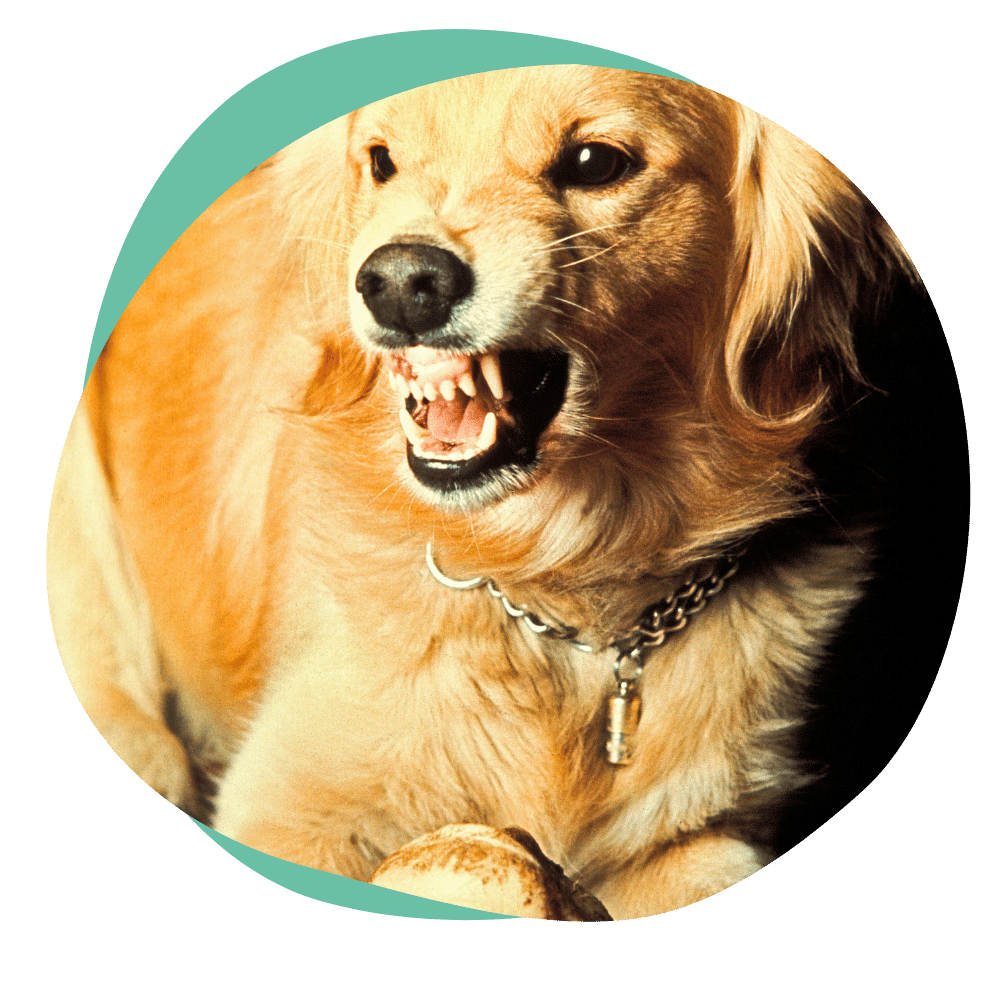
Resource guarding is a natural instinct. When dogs have something that’s important to them, it’s normal for them not to want someone to take it. If their learning history suggests that might happen, then we’re likely to see guarding behaviors emerge. Understanding that this behavior comes from a sense of insecurity is crucial for knowing how to address it.
Signs Your Dog Is Food Possessive
If you reach toward your dog’s bone and they bite your hand, that’s a pretty overt sign of food aggression. It’s important to recognize the more subtle, earlier signs so that the behavior doesn’t escalate to that point. Growling, stiffening of the body, lowering their head, snapping, or even something as subtle as eating faster when you approach can all be early indicators that resource guarding may be a problem for your dog.
The Dangers of Ignoring Resource Guarding
If left unaddressed, resource guarding can lead to injuries to humans or other pets in the household from bites over food or treats. Another problem with resource guarding is that it tends to generalize – or spread. A dog may start out only guarding their food bowl, but they may also start to guard their toys, bed, or even their favorite person.
Why Punishment Doesn’t Work for This Behavior
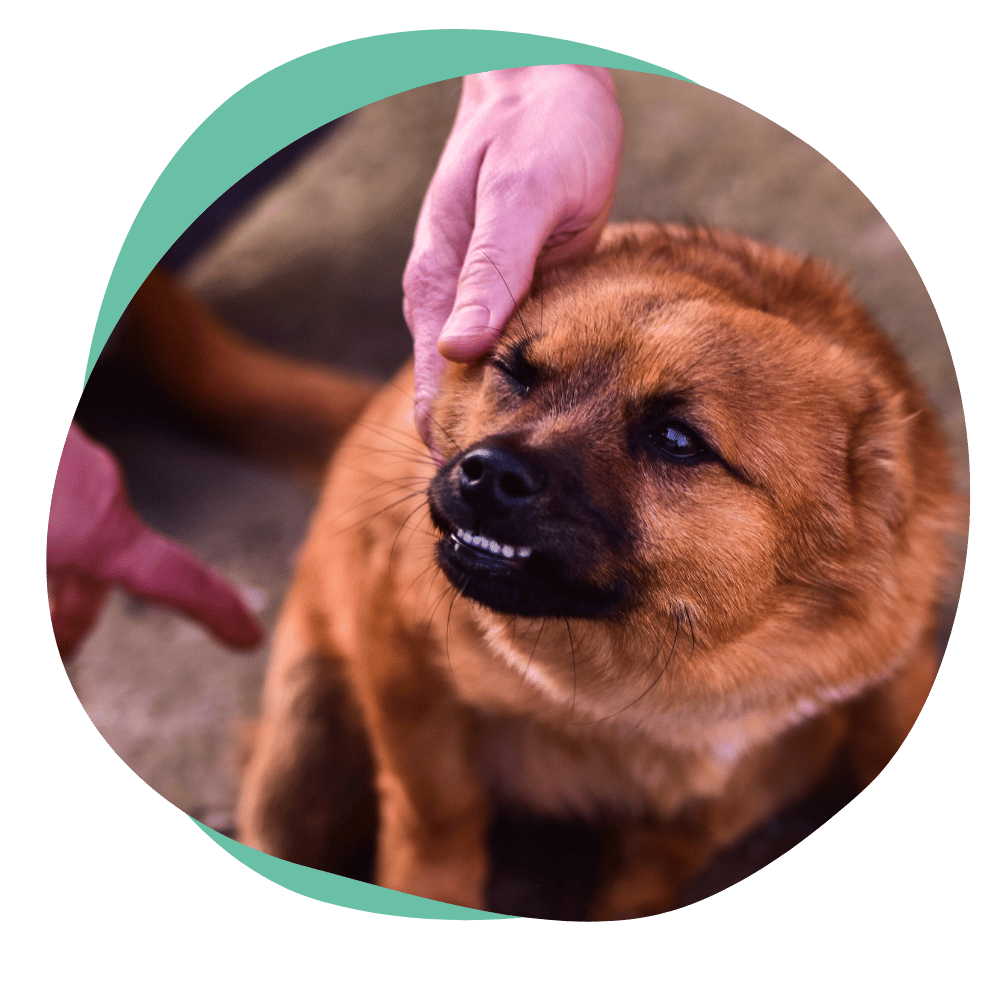
Scolding, taking away the food, or using other forms of punishment if your dog displays any guarding behaviors simply validates their fear – that something bad is going to happen if you approach while they have it. This can worsen the aggressive behavior and ultimately damage your relationship with your dog.
How Trainers Gently Address Resource Guarding
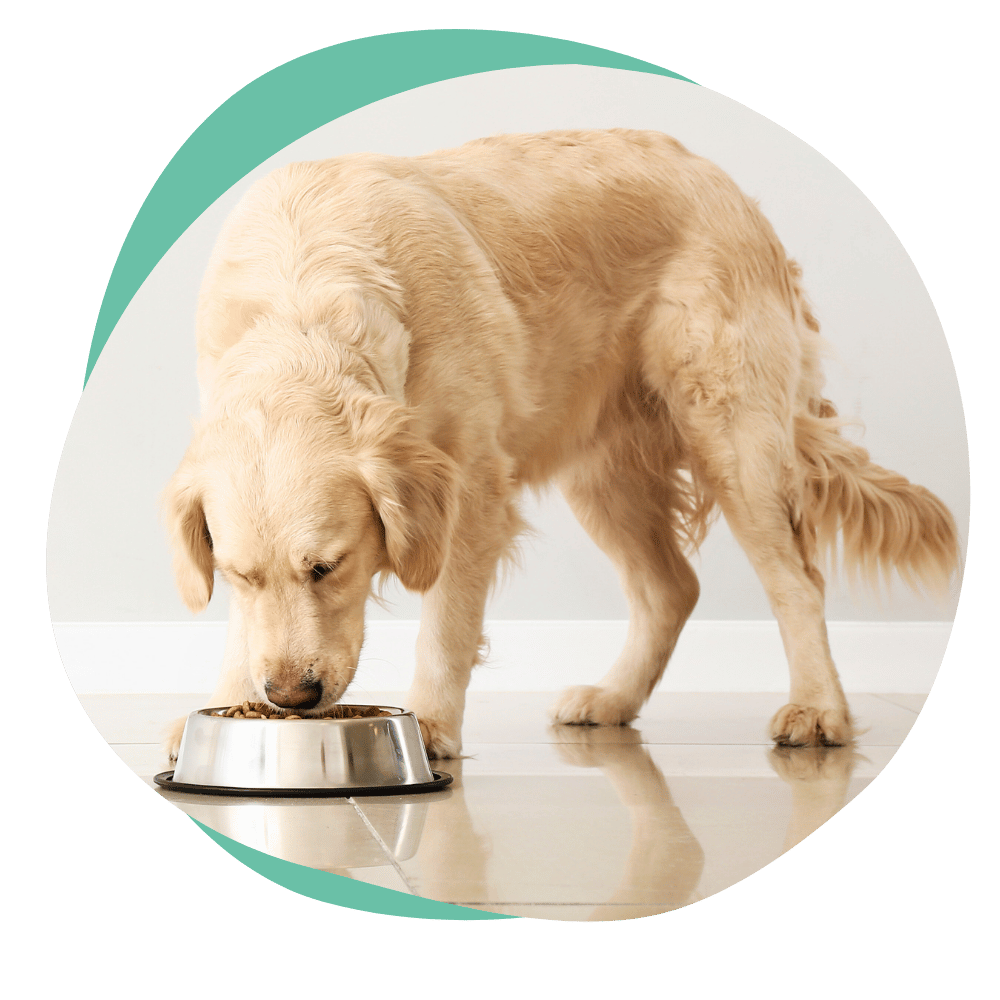
Professional trainers understand where resource guarding comes from. Given that it is a fear-based behavior, we use desensitization and counter-conditioning, with proper safety protocols in place, to teach the dog to feel safe and secure when someone approaches their valued items.
Ready to Make Your Household Peaceful Again?
You and your dog both deserve to feel safe and comfortable around their valued items. Take the next step toward a better life with your canine companion by working with a qualified professional trainer today.
FAQs
What’s the difference between food possessiveness and aggression?
Food possessiveness and food aggression are both terms that may be used alongside the behavior term “resource guarding.”
Can resource guarding be fully corrected through training?
Yes, it’s completely possible to arrive at a result where everyone feels safe and comfortable. It’s important to keep in mind that success looks different on a case-by-case basis.
Is it safe to train a food-aggressive dog at home?
It’s quite risky to try to tackle resource guarding or food aggression at home on your own. Done incorrectly, you may make yourself vulnerable to a bite or exacerbate the behavior.
How do trainers safely handle resource-related aggression?
A skilled trainer will help you set up training sessions so that your dog doesn’t feel the need to behave aggressively. In addition, they may use safety measures such as muzzles, leashes, tethers, gates, or other protective equipment.
Will training help if my dog guards toys or other items as well?
Often, the training process is very similar whether your dog guards food or other resources. However, don’t expect that the training will automatically generalize to other resources. Careful work must be done with each item that your dog guards to prevent the risk of injury from a bite.