
Understanding Dog Anxiety and How to Calm It with Training
Learn how to spot dog anxiety, what causes it & how our professional training can gently ease fear, boost confidence & create a calmer, happier home life.

Helping Your Dog Cope with Anxiety: A Kind and Calm Approach
Anxiety in dogs is extremely common and seems to be on the rise. Whether your dog hides when guests come over, panics when you leave the house or gets overwhelmed on walks, you’re not alone.
Just like humans, dogs can experience anxiety in all kinds of situations. That anxiety manifests in their body language, behavior, and overall well-being. Professional training offers a compassionate and effective way of understanding and addressing your dog’s anxiety.
The Lasting Benefits of Expert Training
Working with a professional trainer does more than just address the anxious behavior at the moment. It takes into consideration the underlying causes of that anxiety and addresses those, setting the stage for your dog’s long-term emotional health. A qualified professional trainer for dog anxiety shows you how to use proven and kind techniques that are not only effective but also strengthen the bond between you and your canine companion.

What An Anxious Dog Looks Like at Home and Outside
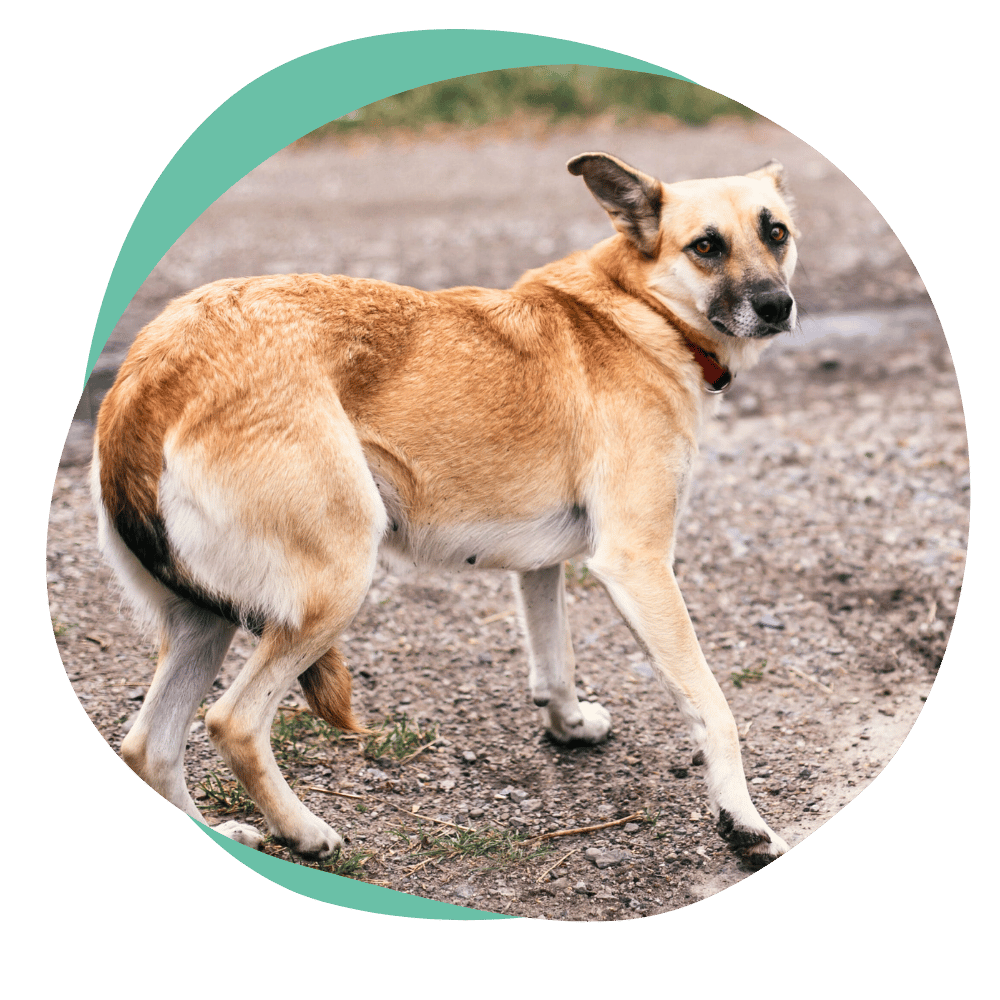
Behaviors like pacing, whining, shaking, and hiding may easily be recognized as anxiety. What may be less intuitive are behaviors such as destructive behavior, hyperactivity, overexcitement, inability to listen to you, and even pulling on the leash. It’s important to recognize these behaviors as symptoms of a bigger problem, not just a dog being “stubborn” or “defiant.”
Common Causes of Anxiety in Dogs
Some dogs are genetically predisposed to having more anxiety. Others develop it from a lack of positive experiences in their early life (link to puppy socialization) or a traumatic experience. Whether the anxiety is generalized and ongoing or triggered by specific situations, understanding what contributes to your dog’s anxiety is key to addressing the root cause and not just the symptoms.
How It Affects Your Dog’s Health and Behavior
Chronic stress from anxiety takes a toll on dogs both emotionally and physically. Anxiety can lead to digestive issues, lowered immune function, and tension-related injuries. It can also chip away at your dog’s confidence, making everyday activities feel scary or exhausting for them. You may also notice behavioral changes, such as clinginess, sudden aggression, or difficulty learning new things. Training can help reduce this stress and give your dog the tools they need to feel safe again.
Why Ignoring It Can Make It Worse Over Time
Imagine that you’re having a panic attack, and the person you love most in the world just stands by and watches. What would that do to your relationship? Well-meaning dog owners are often told to ignore their dog’s anxious behavior so as not to validate their fear, but this can actually make things worse. Dogs need our support as they navigate this unpredictable, overwhelming human world.
How Trainers Approach Dog Anxiety Safely
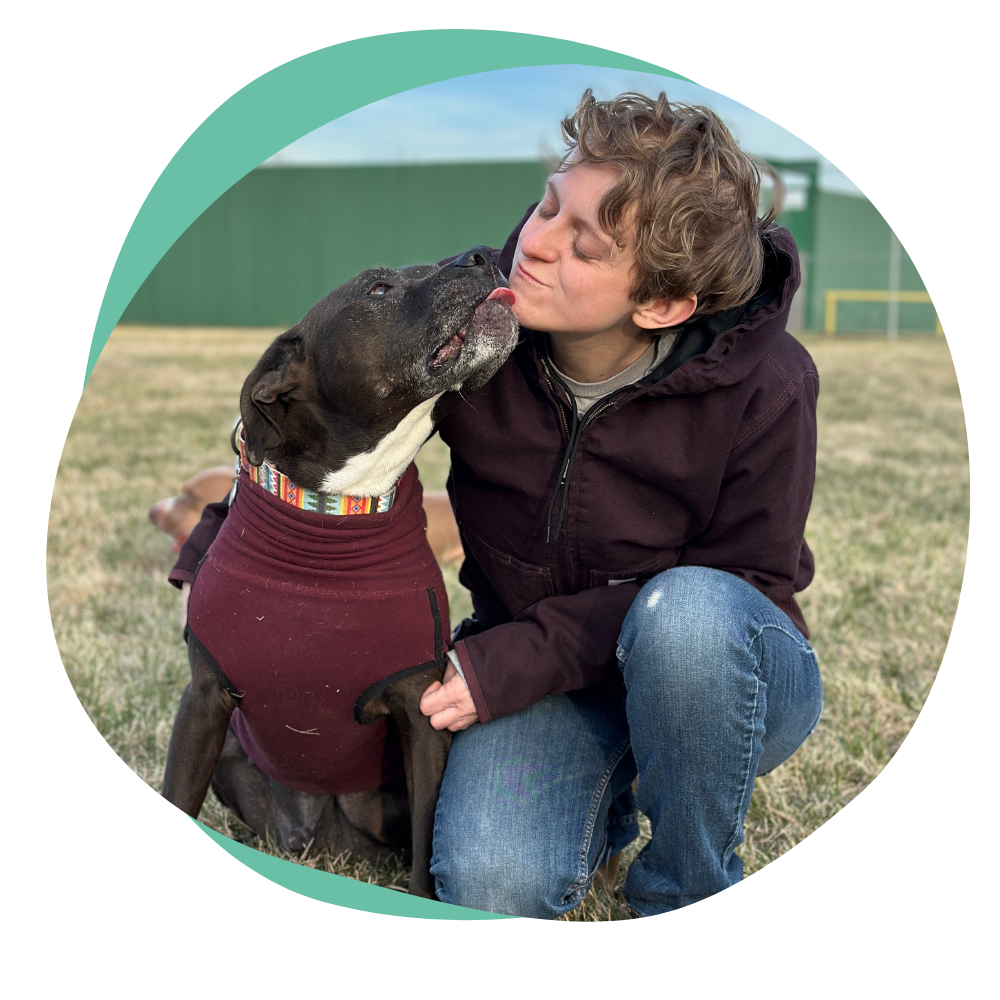
Our trainers use proven methods to help anxious dogs feel more secure, never punishment or force. Techniques such as desensitization, which involves gradually exposing your dog to scary things in a manageable way, and counter-conditioning, which helps dogs associate triggers with positive experiences, form the foundation of anxiety training. We also focus on simple exercises that give your dog a sense of agency and control over their environment. It’s all about helping them feel safe enough to learn and explore, with your help.
What to Expect During Anxiety-Focused Training
Training plans for anxiety are customized to your dog’s learning history and environment. We begin by ensuring their physical, mental, social, and emotional needs are met. We develop management plans to limit your dog’s exposure to their anxiety triggers. Then, we teach you confidence-building games and exercises that will help you support your dog as we gradually reintroduce those triggers in a controlled and manageable way. With consistency and compassion, real change happens.
Help Your Dog Feel Safe and Secure Again
No one wants to see their dog live in fear, and they don’t have to. With the right approach, even anxious dogs can learn to trust, feel calm, and enjoy life again. It starts with understanding and continues with supportive training. If your dog is struggling, reach out. We’re here to help you create a calmer, more confident life for your four-legged friend.
FAQs
How can training reduce my dog’s anxiety long-term?
Training teaches your dog new, more positive ways to handle stress. Over time, their reactions become calmer and more manageable, and you learn how best to support them when stress does inevitably arise.
What methods do trainers use to help anxious dogs?
We use positive reinforcement, desensitization, and counter-conditioning to help dogs feel safe and supported while they learn to navigate the world with new coping skills.
Can training help dogs with separation anxiety?
Yes. With gradual alone-time training, dogs can learn to feel safe when left at home.
How long does it take to see results with anxiety training?
Every dog is different, but most families see improvements after their first session with Jack and Jill Dog Training.
Is medication needed along with training for anxious dogs?
In some cases, yes. If prescribed by your veterinarian, anxiety medication and behavior training go hand in hand - one is not a substitute for the other.