
Understanding Dog Aggression and How to Manage It With Expert Training
Concerned about dog aggression? Learn to spot early signs, manage biting & growling, reduce triggers and build a safer bond through expert training tips.
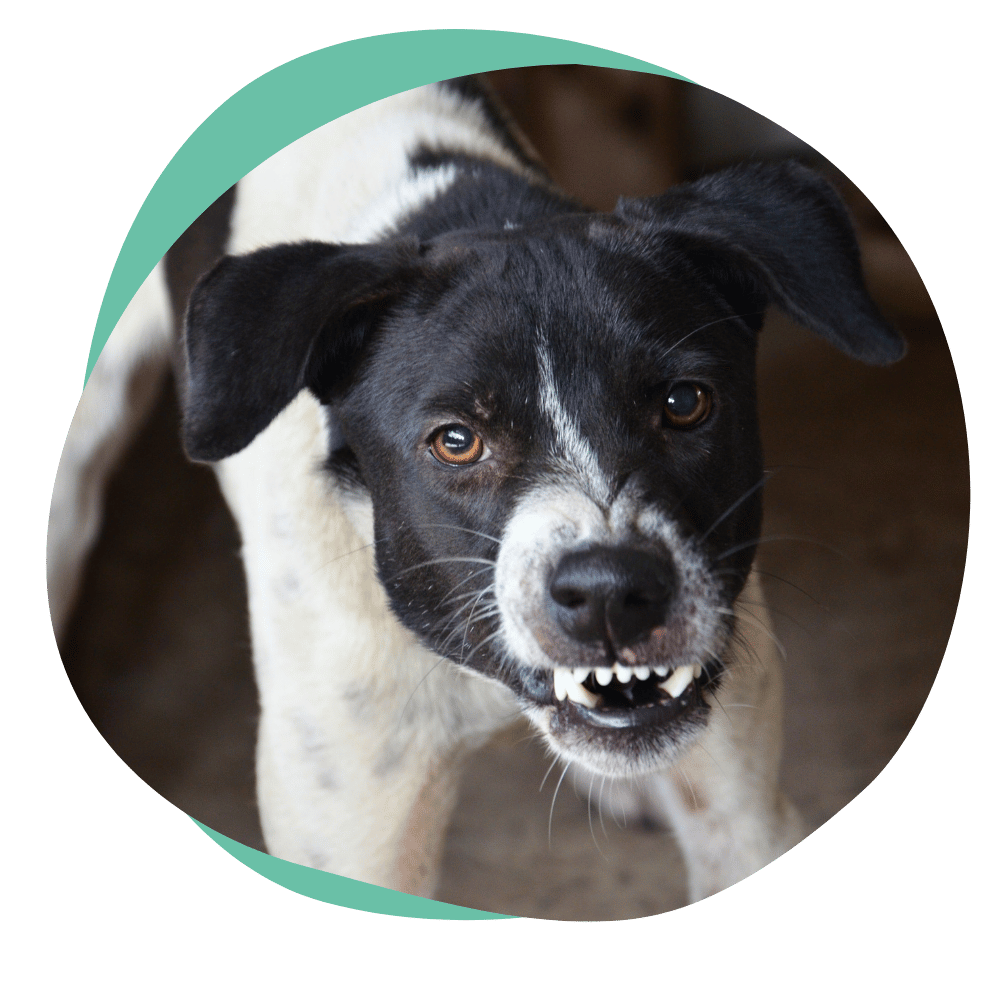
Breaking the Cycle of Dog Aggression with Compassion and Care
Living with a dog who shows signs of aggression can feel scary, confusing, and isolating. Whether it’s growling, snapping, or full-blown fights, these behaviors often catch us off guard and leave us wondering what went wrong. But dog aggression is not a reflection of a “bad” dog. It’s a signal that something deeper is going on, and with the right guidance, it *can* be addressed.
Working with a professional trainer can help you understand where the behavior is coming from and how to change it safely. It’s not about punishment or dominance – it’s about communication, trust, and learning new ways to respond to challenging situations. You don’t have to live in fear of your dog’s next bite. There is a path forward.
The Benefits of Addressing This Behavior with a Trainer
Seeking help from a qualified trainer brings clarity, structure, and safety to an otherwise overwhelming situation. You’ll learn how to manage triggers, prevent outbursts, and help your dog feel more secure and in control. Training builds better behavior, not through intimidation, but by helping your dog make better choices. As the tension decreases, you’ll notice more peace in your home, less stress in your relationship with your dog, and the return of joy in day-to-day life. A strong, trusting bond isn’t just possible – it’s the ultimate goal.
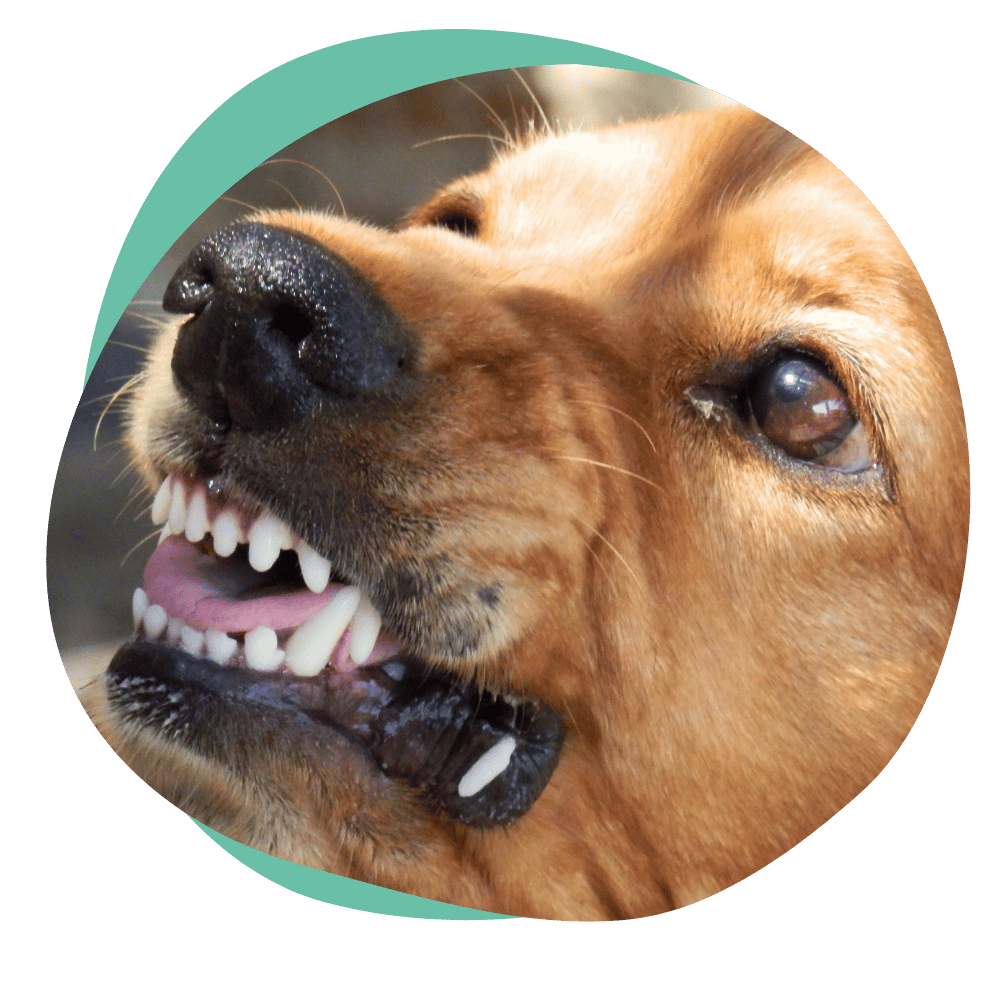
What Dog Aggression Really Means
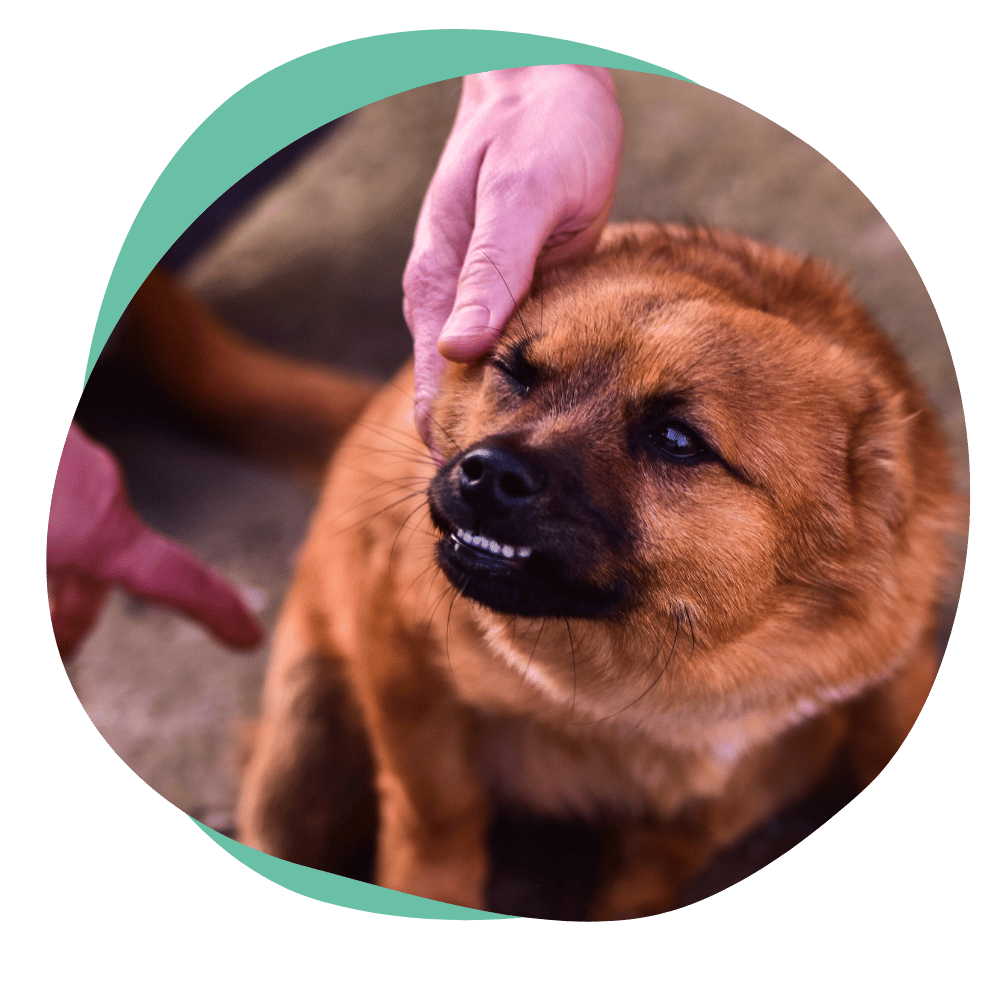
A dog who uses aggression isn’t trying to be bad or dominant. Dogs may growl, snap, or bite when they feel threatened, insecure, or scared. Although it may seem like it, aggression rarely occurs out of nowhere. It usually builds over time and can escalate if the early warning signs are missed. Learning to recognize signs like stiff posture, lip-licking, or head turns for what they are, and knowing how to respond, can help avoid bigger problems down the road.
The Role of Biting and Snapping
Very few dogs jump right to biting or snapping. Bites usually occur when earlier warning signs, a dog’s attempt to say, “Hey, I’m uncomfortable, and I need this to stop,” have been missed. That discomfort could come from fear or even pain. Proper training takes that underlying cause into account, helps dogs regain a sense of control, builds trust between dog and human, and creates a dog who doesn’t feel the need to bite again.
Why Dogs Growl, Snarl and Bark
Dogs who growl, snarl, and bark are doing their best to diffuse a situation that’s making them uncomfortable. Growls and snarls are warning signs that should never be punished. Punishing a dog for growling can lead to dangerous situations where a dog skips straight to biting – it’s like taking the batteries out of a smoke detector. We must learn to listen and respond accordingly to our dogs’ attempts at communication while working to help them feel safer and to express their needs in different ways.
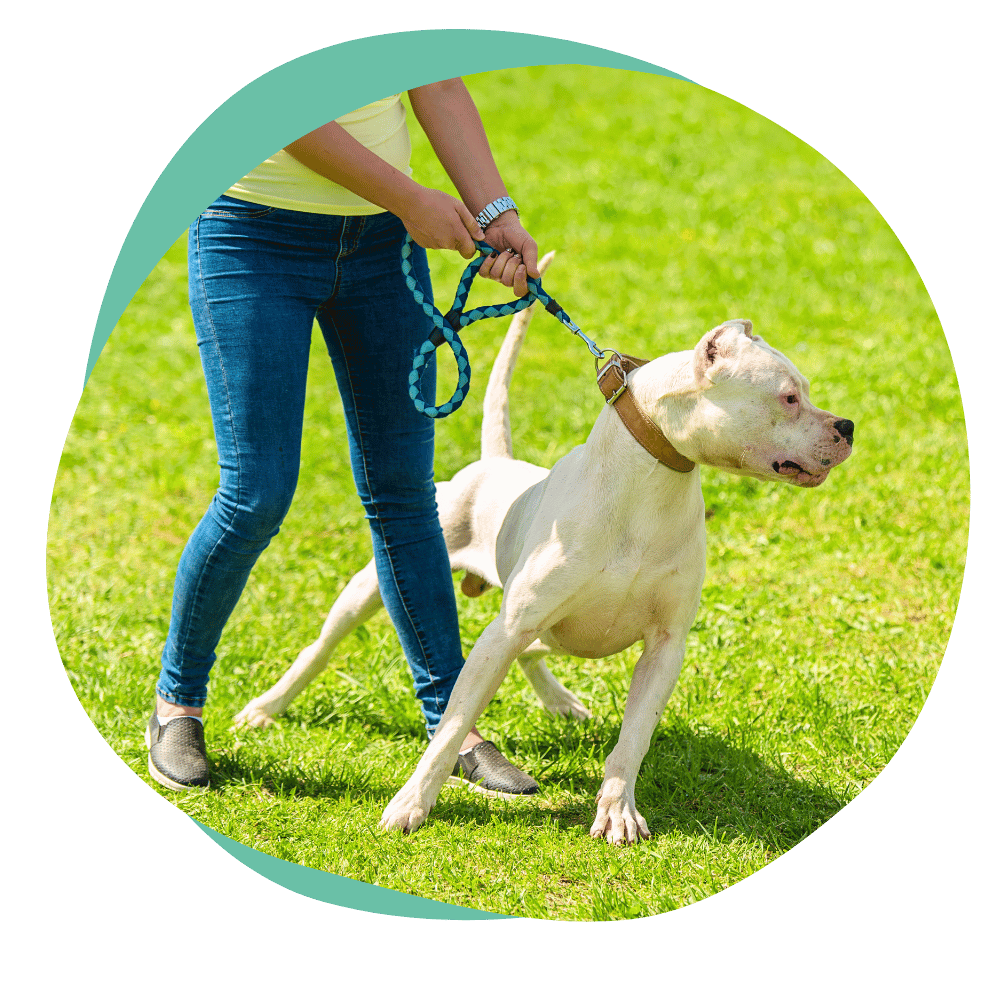
How to Prevent Aggression Toward People
When dogs show aggression toward humans, whether family members, strangers, or guests, it’s a serious issue that requires careful handling. These behaviors may stem from fear, discomfort with touch, guarding, or even medical pain or illness. Through training, we can change how your dog feels about certain situations or people and teach them more appropriate coping mechanisms. We also work with you to ensure interactions stay safe and positive and that everyone in the household knows how to read and respect your dog’s boundaries.
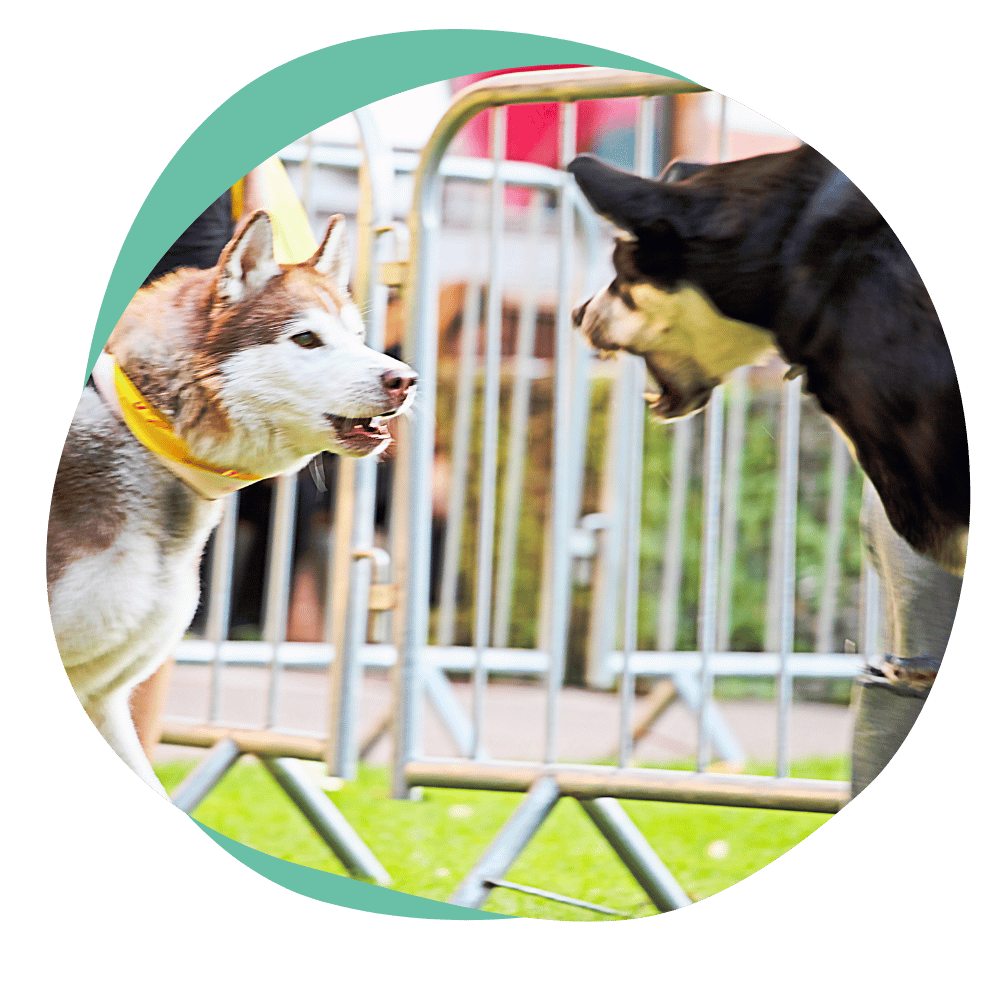
Reasons Dogs Fight Each Other
Fights between dogs, whether in the same home or out on walks, can be extremely stressful. Conflict may arise over space, toys, people, or just a misread signal between dogs. Some dogs have trouble with social cues, while others may be on edge due to anxiety or resource concerns. Our training focuses on prevention, safe management, and reintroductions when appropriate. We’ll help you understand canine body language, avoid common triggers, and create a structured environment where dogs can coexist peacefully, even if they don’t become best friends.
Resource Guarding and Possessive Behaviors
If your dog growls, stiffens, or snaps when someone approaches their food, toy, or even a person, that’s called resource guarding. While it can be unsettling, it’s a normal survival instinct that some dogs express more strongly than others, especially if they’ve ever experienced scarcity or competition. We use force-free desensitization techniques to help dogs feel safer around their valued items. By changing the emotional association and teaching predictable routines, we can reduce guarding behaviors and restore trust between dog and human.
Impact of Aggression on Daily Life
Aggression changes how you live your life. You might avoid visitors, dread walks, or feel like you’re always “managing” instead of enjoying your dog. The emotional toll can include fear, guilt, and frustration, especially when you love your dog but feel unsure how to help. With a behavior plan in place, life becomes more manageable. You’ll gain confidence, your dog will gain stability, and your relationship can begin to heal. Change doesn’t happen overnight, but with structure, consistency, and support, it does happen.
Start Building a Safer Bond Today
Don’t wait for things to escalate. Aggression is one of the most treatable behavioral concerns, as long as you’re willing to take the first step. Whether your dog’s behavior feels mildly concerning or dangerously unpredictable, help is available, and you are not alone. Let’s work together to understand your dog’s triggers, build safer habits, and create a home where everyone feels more at ease. Small changes, handled the right way, can lead to big breakthroughs.
FAQs
What are the early warning signs of dog aggression?
Avoidance, head turns, tongue flicks, stress yawns, and whale eye are all early signs that a dog is uncomfortable. From there, dogs may escalate to growling, lip curling, stiffening their bodies, hard staring, snapping, or biting.
Can aggressive behavior in dogs be cured?
While success looks different in every case, most dogs can improve dramatically with the right training and support.
How should I handle a dog fight safely?
Never reach your hands into a dog fight. Use loud noises, barriers, or a leash to separate dogs. Once everyone is safe, consult with a professional trainer to stop the next fight before it starts.
What causes dogs to guard food or toys?
Resource guarding is driven by the concern that someone is a threat to your dog’s stuff. Dogs may feel the need to protect their valued items, especially if they’ve had things taken from them in the past.
When is it time to call a professional trainer?
Don’t wait for a bite to seek help. If you’ve felt uncomfortable or unsafe having your dog around other people or animals, it’s time to bring in professional support.